From Appalachian Hills to Arena Sell-Outs
Tickets for Tyler Childers‘s latest tour sold out in minutes. This was remarkable. Arenas like Madison Square Garden in New York and the Kia Forum in Inglewood, California, were among them. Unlike many high-demand tours, the secondary market wasn’t immediately flooded with exorbitantly priced listings. This wasn’t an accident. It came from a deliberate, fan-focused strategy. This strategy challenges the current concert industry. Talk about Tyler Childers live touring now focuses on his smart business sense. People used to only discuss his incredible musical talent. His sound blends neotraditional country, bluegrass, and raw Appalachian soul. This potent mix earned him a loyal following after his breakout album *Purgatory*. Now, his unique way of bringing music to fans is changing the whole industry.
Childers started in small clubs in Kentucky and West Virginia. Now he headlines famous venues worldwide. This journey proves his organic growth. He built his audience without much radio airplay. Instead, relentless touring and word-of-mouth helped him. Critically acclaimed albums like *Can I Take My Hounds to Heaven?* and the Grammy-nominated *Rustin’ in the Rain* also powered his rise. This grassroots support gives him unique power. He can dictate terms that many artists avoid. This is true even for those with more mainstream hits. He knows his audience connection is his most valuable asset. He builds his touring empire on protecting this connection at all costs.
The ‘Mule Pull ’24 Tour’ and the War on Scalpers
The centerpiece of the Tyler Childers live touring strategy is his aggressive stance against ticket scalping. For the Mule Pull ’24 Tour, Childers and his team set a strict policy. Most tickets are non-transferable. This model uses platforms like Ticketmaster. It ties each ticket to the buyer’s account. Buyers must show ID at the venue. Or they can use a revolving barcode on their smartphone, which stops screenshots. The goal is simple: make it impossible for brokers and scalpers to buy tickets in bulk and flip them for profit.
For fans who genuinely can’t attend a show, Childers’ model doesn’t leave them empty-handed. Fans don’t lose money or have to use unauthorized resale sites. Instead, the tour uses Ticketmaster’s Face Value Exchange. Fans can sell their ticket back to the platform. Another fan can then buy it for the original price, plus standard fees. Publications like Billboard report on this. This closed-loop system effectively starves the secondary market of tickets. Some fans find it inconvenient. They can’t easily gift or transfer tickets. But overall, the feeling has been very positive. The policy ensures that true fans, not automated bots, are the ones filling the seats.
This approach is similar to other fan-first efforts. Artists like The Cure have also fought to keep ticket prices low. They want to keep tickets out of scalpers’ hands. Tyler Childers gives up potential revenue. He avoids dynamic pricing and platinum tickets. This makes a powerful statement: long-term fan loyalty is more valuable than quick profits. This move has earned him huge goodwill. It has cemented his reputation. He is an artist who truly stands with his audience.
Curating an Experience Beyond the Headline Set
The innovation in the Tyler Childers live touring model extends beyond ticketing. Childers treats his concerts as a holistic experience, not just a performance. A key part of this is his curation of opening acts. He doesn’t choose generic, commercially safe openers. Instead, he spotlights artists he respects. Many of these share his Appalachian roots or independent spirit. The Mule Pull ’24 Tour features a rotating lineup of acclaimed performers. These include fellow Kentuckian S.G. Goodman, Allison Russell, Hayes Carll, and Sylvan Esso.
This thoughtful curation does two things. First, it introduces his massive audience to other deserving artists. This creates a sense of community and discovery. Fans arrive early. They know the opening acts are not just filler. They are an integral part of the evening’s musical journey. Second, it reinforces the authenticity that is central to the Tyler Childers brand. The show feels less like a corporate arena rock event. Instead, it’s more like a traveling festival curated by a trusted tastemaker.
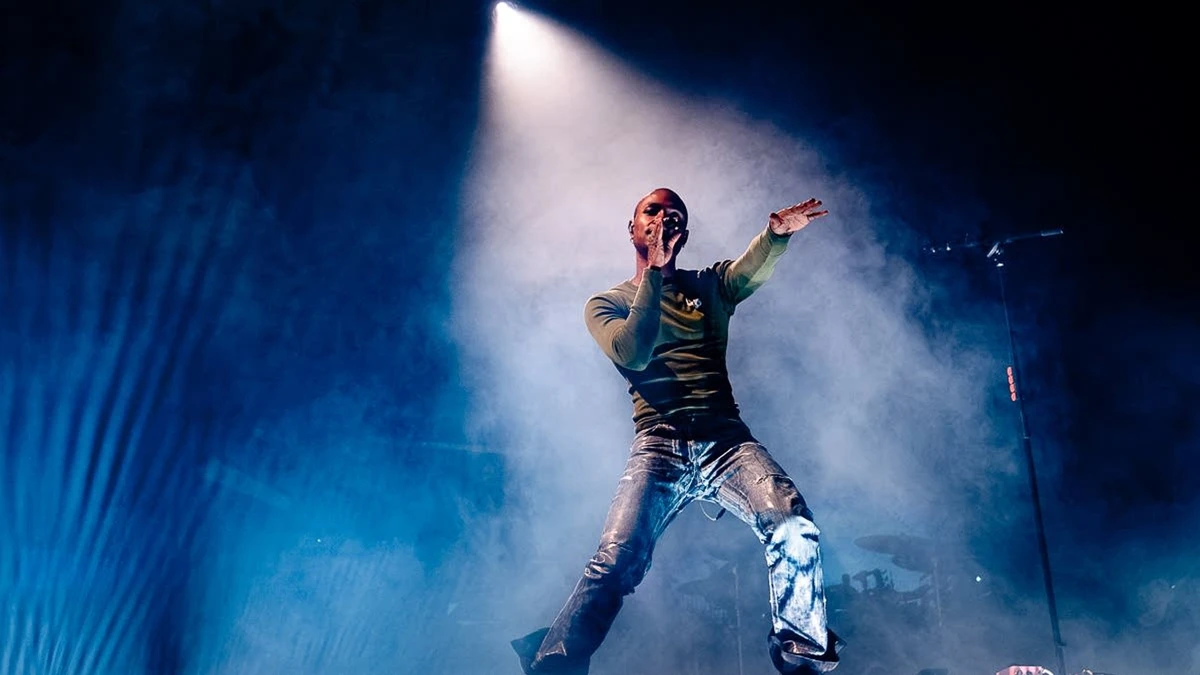
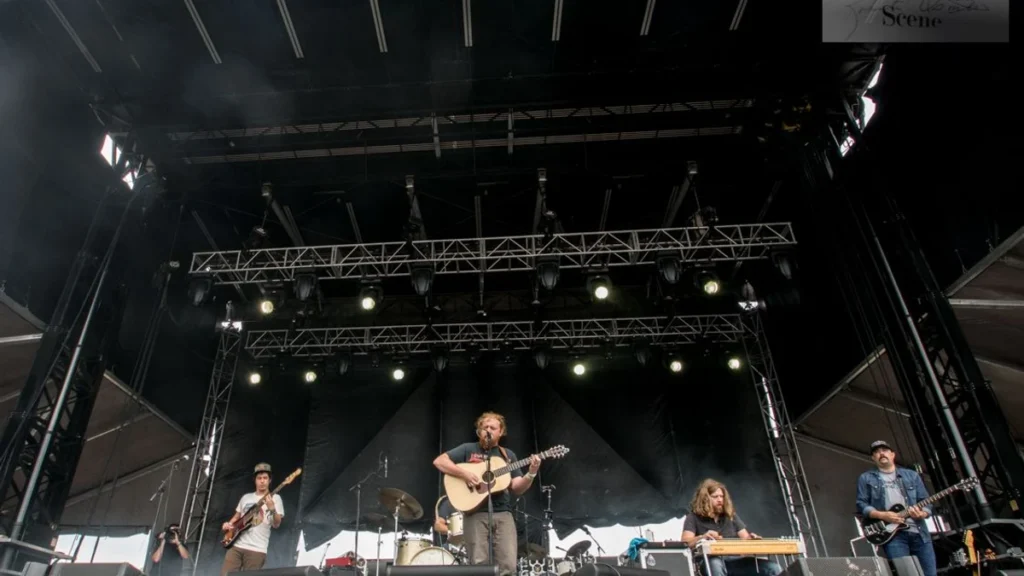
The performance itself is a masterclass in substance over spectacle. He is backed by his long-time band, The Food Stamps. Childers delivers raw, energetic sets. These can last over two hours. The focus is squarely on the music—the intricate storytelling, the powerful vocals, and the blistering musicianship. The stage production is often simple. It avoids elaborate video screens and pyrotechnics. Instead, lighting complements the setlist’s emotional arc. He blends hits like “All Your’n” with deep cuts and unexpected covers. This rewards both new and die-hard fans. It also ensures no two shows feel exactly alike.
The Industry Ripple Effect: A New Blueprint?
The success of Tyler Childers’ touring model is sending ripples through the music industry. Promoters like Live Nation and competing artists are taking note. Childers has proven something important. Artists can sell out nationwide arena tours. They don’t need controversial dynamic pricing or common VIP packages. He offers a powerful counter-narrative. Artists are not helpless. They don’t have to face an exploitative secondary market. The impact of Tyler Childers live touring is undeniable, setting a new benchmark for artist-fan engagement.
His strategy presents a clear-cut case study that challenges long-held industry assumptions. He might leave some money on the table. He doesn’t charge what the secondary market says fans will pay. But he invests in something more lasting. He builds a relationship with his audience based on trust and respect. This approach builds loyalty. This loyalty leads to sustainable, long-term success. This includes merchandise sales and future album purchases. Industry analysts at publications like Pollstar have noted this. The goodwill from these policies is unquantifiable. Yet, it’s an immensely powerful asset.
The question now is whether other artists will follow his lead. The Tyler Childers model may not be a one-size-fits-all solution. It requires an artist with a dedicated, internet-savvy fanbase. They also need leverage to negotiate favorable terms with major promoters and ticketing companies. However, some artists prioritize their community and legacy over quick profit. For them, Childers has created a compelling and successful blueprint. It shows how to scale up to arena level without compromising principles.
His authentic sound is part of a wider resurgence in roots music. This includes the emergence of Hallelujah Highway alt-country, which also honors classic storytelling traditions.
Find Your Next Unforgettable Live Show
The way Tyler Childers is reshaping live touring demonstrates the power artists have to create a better experience for their fans. His success inspires artists, promoters, and fans. They all believe in a fairer, more transparent music industry. Ready to discover the next artist building a loyal community through incredible live performances? MW3.biz is your gateway to finding emerging talent and tracking the trends that shape the future of music.
About The Author