One Man, Four Instruments at Once, and A Christian Standard Rebuilt From the Ground
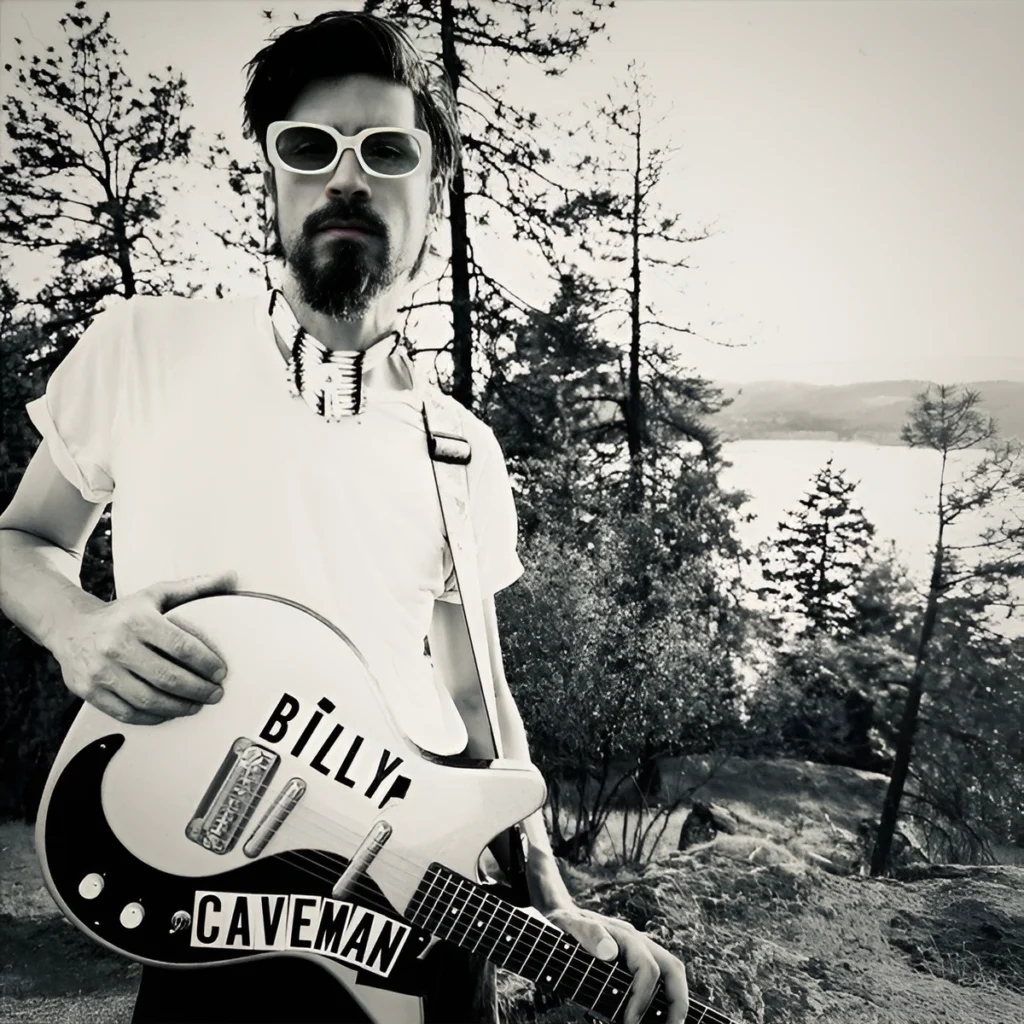
Most covers change the words and keep the feeling. thou carest lord does the reverse. Billy Caveman released it on 11 May 2026, and the Billy Caveman Americana treatment leaves a classic Christian song’s content intact while rebuilding everything around it.
Billy Caveman has tracks running through the playlist below, and the earlier writing on him is filed under his artist profile. The single thou carest lord arrived here through PopHits.Co Music Charts, which verifies independent artists and places their releases across its network of music news sites. Listen once, then read what is here.

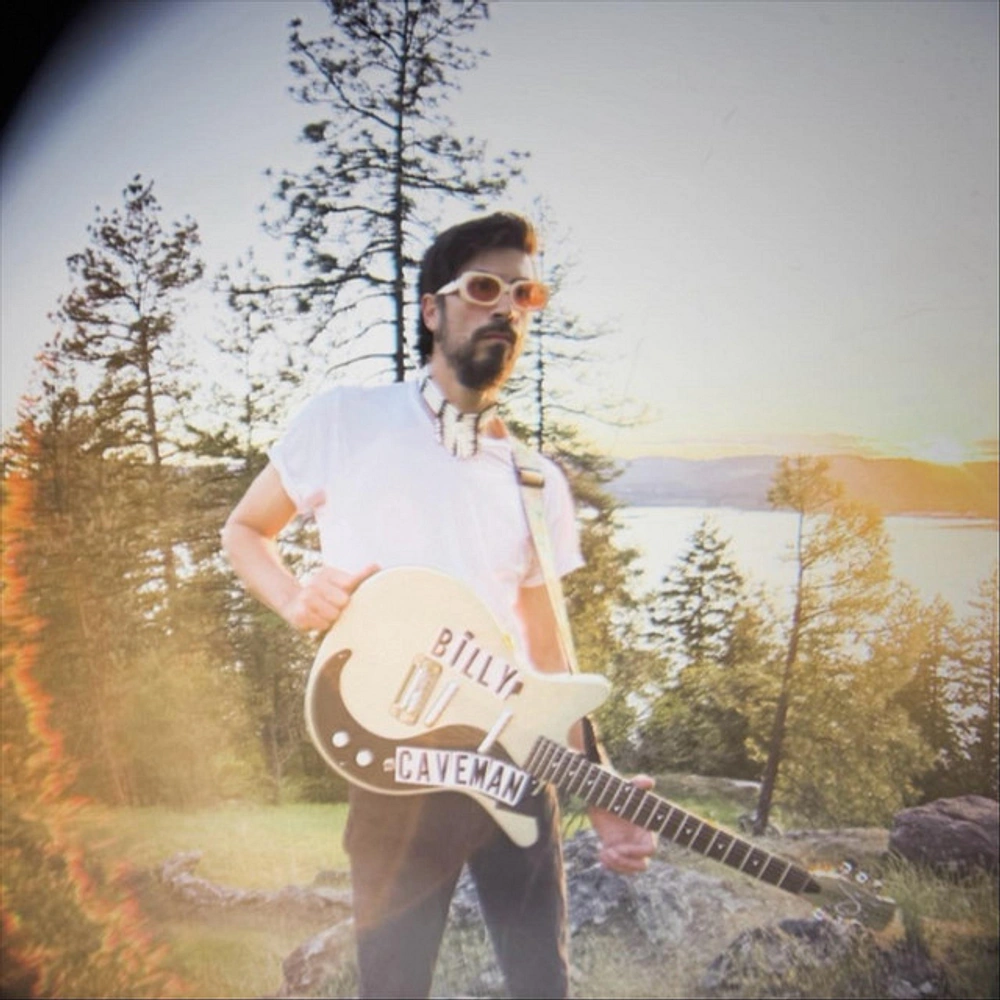
What Billy Caveman Americana Sounds Like With Garage, Doo-Wop And Throat Singing
The genre labels attached to this release are alt-folk, Americana and art rock, and all three are fair. They are also incomplete. What actually arrives is closer to a garage record made in a chapel.
Revista SoundLoop, reviewing the single, heard garage rock, psychedelia and doo-wop running together, with guitars carrying a sixties psychedelic twang. Underneath sits percussion the reviewer described as inspired by native drums. Over the top there is throat singing, which the same review identified as Cascadian, and which gives the record its stranger dimension.
That combination should not work. However, it does, because none of it is decorative. The throat singing is not a texture dropped in for effect. Instead it functions as another voice in the arrangement, and it is the element that pushes the song out of Americana into something harder to file.

Playing Drums, Bass And Guitar At The Same Time, Live And Without Loops
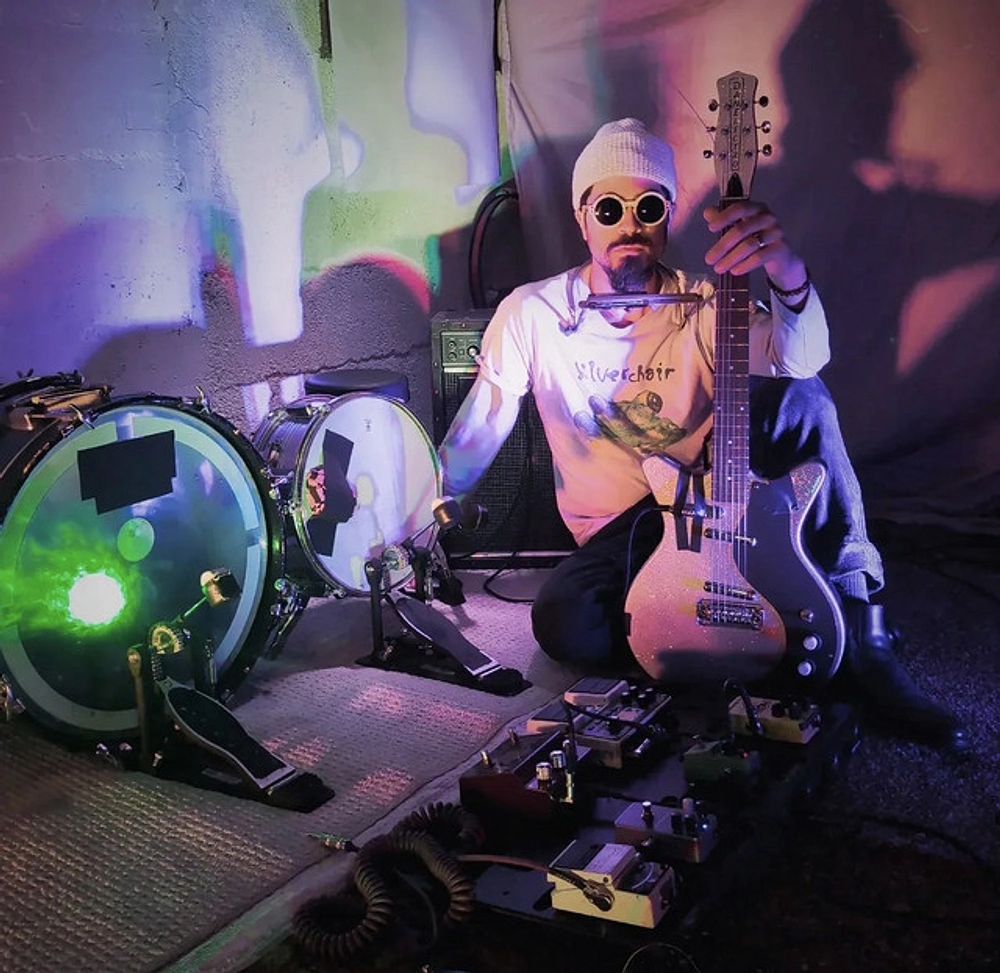
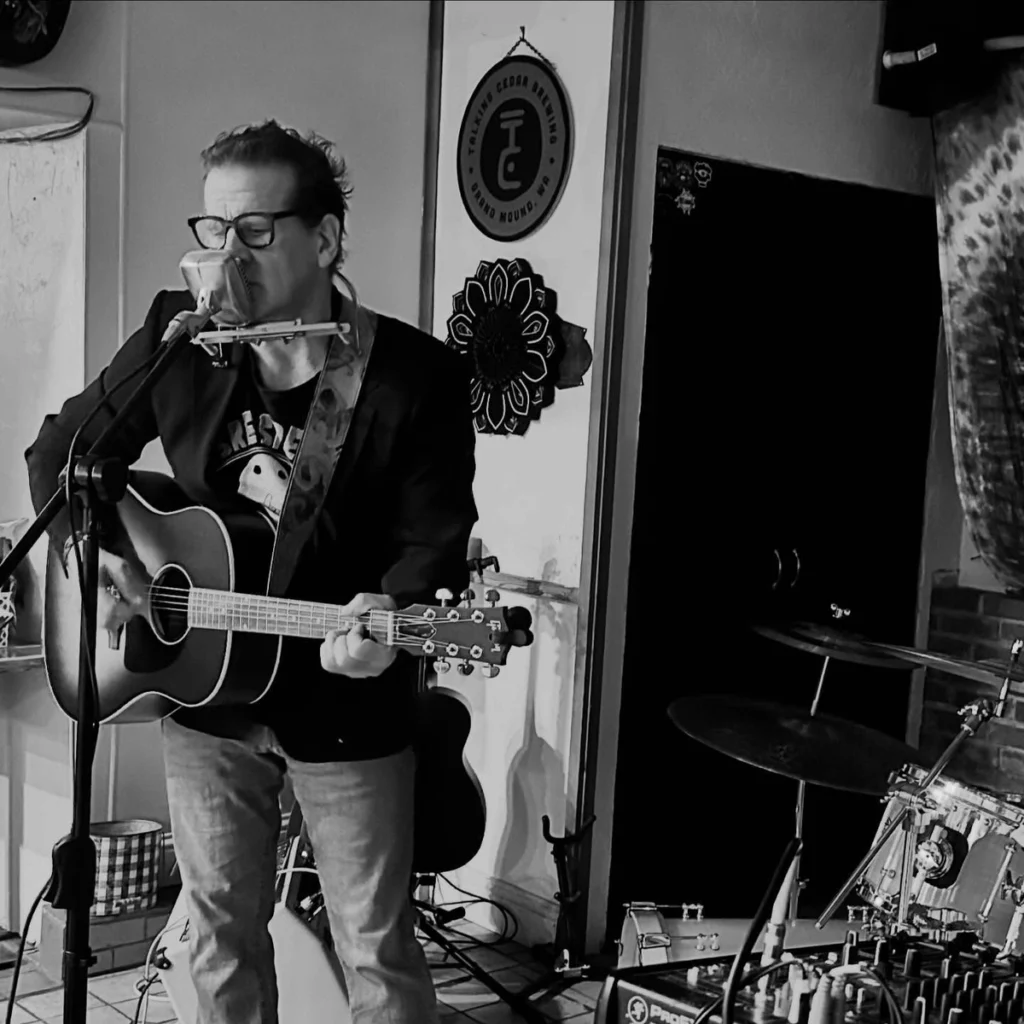
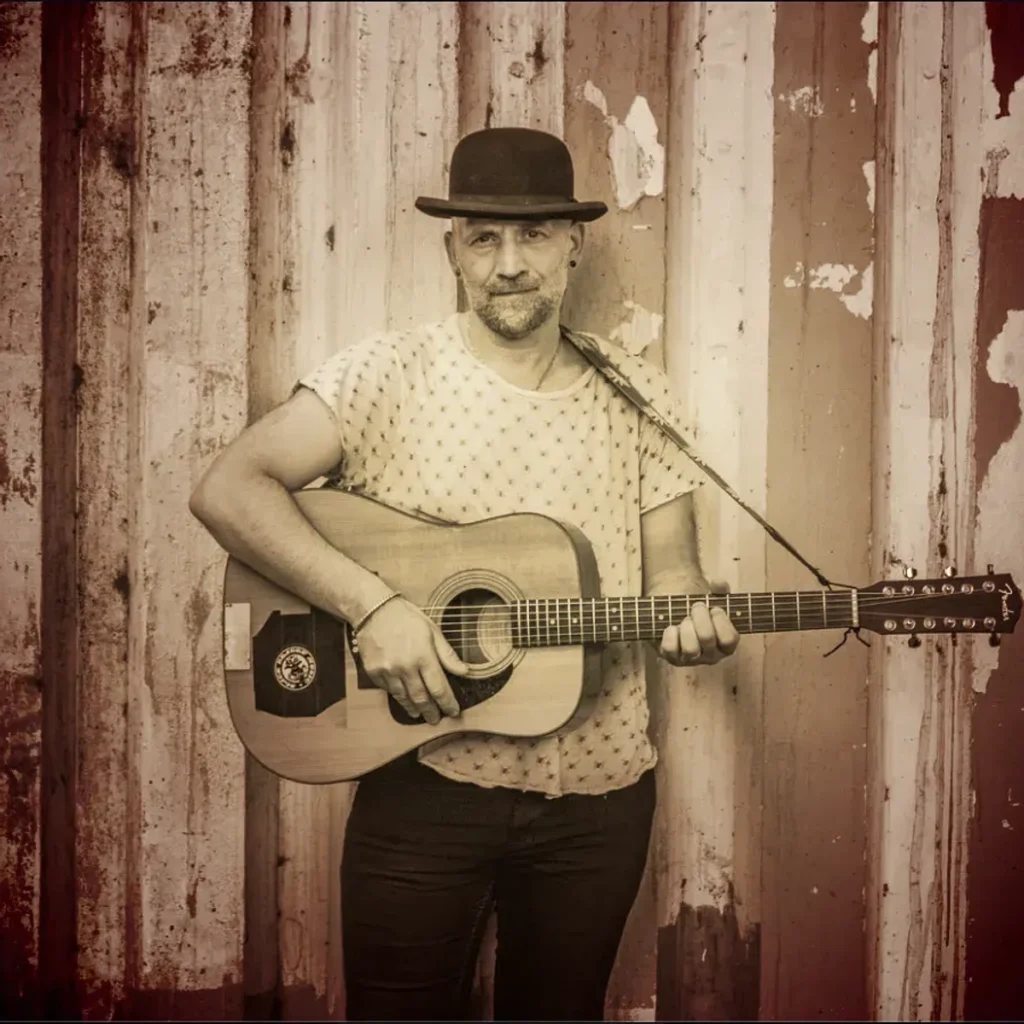
The performance is the other half of the story. Caveman is a one-man band in the literal sense, playing drums, bass, guitar and vocals simultaneously, live, with no loops holding anything together.
That constraint explains a great deal about how the record sounds. The playing is necessarily direct, because a person operating four things at once cannot also be fussy. As a result you get the kind of wall of sound old rock recordings had, where the limitation of capturing everything at once becomes the character of the recording.
It also explains the rawness. Nothing here is gridded or corrected. A listener used to modern production will notice that immediately, and it is a feature rather than an oversight.
His catalogue is wider than one single suggests, reaching into folk rock, garage rock, gospel and psychedelia. AudioKaradi has covered him alongside other independent rock acts, which is a reasonable snapshot of the company he keeps.

Taking A Christian Standard And Changing Everything Except The Words
Reworking devotional material is easy to get wrong. Treat it too reverently and you produce a liturgical recording nobody outside a congregation will play. Treat it too lightly and it curdles into mockery.
Caveman takes a third route, which Revista SoundLoop summed up as terrestrial, raw and ritualistic rather than solemn. The essential content of the original stays where it is. Meanwhile the musical context around it changes completely, so the same words arrive somewhere between pagan ceremony and psychedelic garage rock.
The archaic phrasing helps. Modern English would have flattened the line, whereas the older construction carries the weight of every hymn that came before it. Set against tribal percussion and a psych guitar, that weight becomes tension rather than piety.
Caveman has framed the release in his own terms. “This song represents a significant part of my artistic journey,” he said. “It’s gratifying to see it continue to find new listeners and resonate with those who appreciate a unique blend of genres and authentic storytelling.”
For Listeners Who Follow Shakey Graves And Sixties Garage Psychedelia
Shakey Graves is the closest living comparison. He built his reputation on one-man-band performance, kick drum and guitar together, and on the specific looseness that setup produces.
13th Floor Elevators are the other reference, and the more revealing one. The Elevators put an unclassifiable extra voice into garage rock and treated psychedelia as closer to ceremony than decoration. The throat singing here does a similar job.
For the source material itself, Blind Willie Johnson is the useful touchstone. Johnson recorded sacred songs with a rawness that had nothing to do with church polish, and that is the lineage this single belongs to far more than contemporary worship music.
GetMusic.News curator team: “What earns this a place on our list is nerve. Caveman keeps a hymn’s words completely intact, then surrounds them with throat singing and garage drums and refuses to apologise for it. Records this awkward usually get smoothed out before release. This one did not.”
Where To Stream Billy Caveman Americana Releases And Follow Him
The single has been on the major streaming services since May, and the player at the top of this page is the quickest way in. For the wider catalogue, Billy Caveman is on Spotify, where the folk rock, garage and gospel threads all show up.
Day to day he posts on Instagram, currently the best place to catch new material. Three months on, thou carest lord still rewards attention. Records that refuse to sit in one genre take longer to find an audience, and this one is still finding its.



















About The Author