The effects pedalboard that gave shoegaze its name
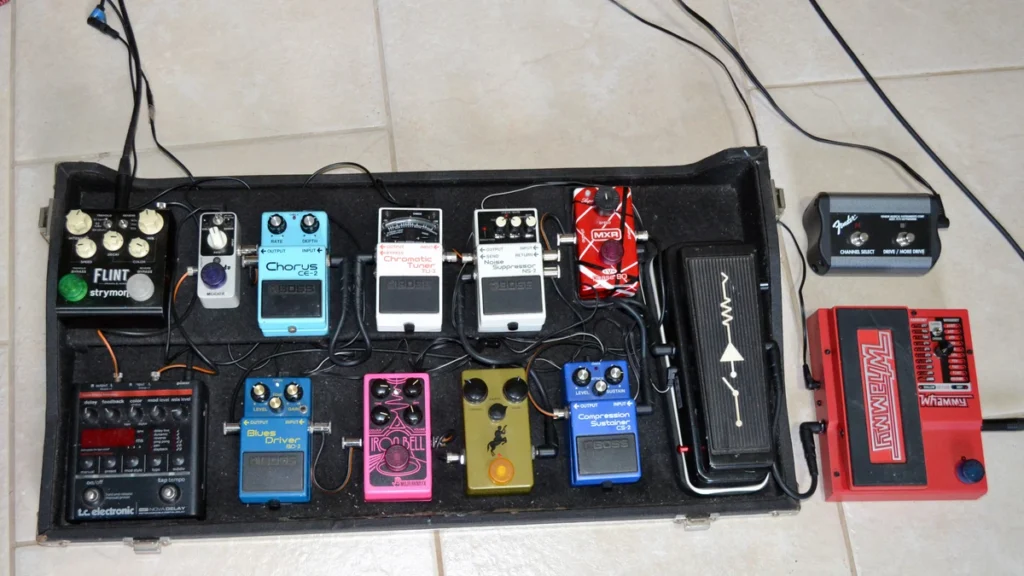
Shoegaze is a British guitar style that peaked in the early 1990s. It is built on layers of distorted, heavily processed guitar, vocals buried low in the mix, and a wall of sound you feel more than follow. The name was originally an insult: critics said the musicians spent the whole gig staring at the effects pedals by their feet instead of at the audience.
It should be a museum piece. Instead, a group of people in Toronto who were not born when the genre peaked have spent the past two years building an organisation around it, and their festival has been selling out.
A Collective Named After a 1991 Album
The Loveless Collective is a youth-led DIY music organisation founded in Toronto in the autumn of 2024 by Ginny Kim, a guitarist and singer in the local band the neverminds. The Grind Magazine reported in June that it now runs to eleven people who organise concerts and festivals.
The name is a direct reference. Loveless is My Bloody Valentine’s 1991 album, the record most people point to when they try to explain what the genre actually is.
The roles inside the collective are more organised than the DIY label suggests. Sheeka Martin, 23, an English graduate from Toronto Metropolitan University, is one of the organisers. Vinny Hau, the neverminds’ bassist, leads the tech side. Nick Mokrzewski and Michael Schifanelli handle outreach, and both play in bands of their own, Whisper Gang and Luster Dust.
That is a functioning small organisation: programming, technical production, artist relations. It just happens to be run by people in their early twenties for a genre older than they are.
The Festival That Surprised Its Own Organisers
Loveless Festival ran across 25 and 26 July, spread over three Toronto venues: the Monarch Tavern, Sneaky Dee’s and St. Stephen-in-the-Fields, the last of them a church.
The headliners came from across the border. Bubble Tea and Cigarettes, a dream pop duo from Seattle, and Bleary Eyed, an emo-gaze band from Philadelphia, topped a bill that otherwise drew heavily on Canadian acts: Laveda from Brooklyn, sundayclub from Winnipeg, SEAVER, Shallow and Somet from Montreal, Bonnie Trash from Guelph, Basement Revolver and sullen from Hamilton, closeout from London, Deer Fang from St. Catharines, and the Toronto locals PONY, Tijuana Taxi and Velvet Beach.
The clearest measure of how well this is working came from the first edition, in 2025, when every venue sold out on the second day. Martin’s reaction was not the language of a scene that expected to succeed: “We didn’t expect that to happen at all.”
Nostalgia for Something You Never Had
The obvious question is why anyone in their twenties would attach themselves to a sound from three decades ago, and Martin puts it better than an analyst would. “Why do I feel so nostalgic for a time I wasn’t a part of?”
The Grind calls this cultural meta-nostalgia: longing for a period you did not live through, assembled from records, photographs and other people’s memories. It is not the same as reviving a style because it has come back into fashion. It is closer to adopting one.
There is also a practical fit. Shoegaze asks its audience to stand still and absorb something, and it hides the singer rather than spotlighting them. Martin’s description of the community explains the appeal precisely: “I like to think of it as a group of introverts just being together.”
Very little else in current live music is built that way. Most of it is designed to be filmed, shared and performed back at you. A genre whose entire aesthetic is looking at the floor offers the opposite proposition.
The Numbers That Started It
The Toronto scene did not appear from nothing. It sits on top of a streaming shift that showed up in the data three years ago.
Spotify figures shared with Stereogum in 2023 recorded a 50% year-on-year rise in shoegaze streams, a 220% increase in global daily searches for the word, and an 800% rise in streams of the platform’s Shoegaze Now playlist. The striking figure was the demographic one: more than 60% of the top shoegaze listeners were Gen Z, a group making up only about a quarter of Spotify users.
The breakout artists of that moment were teenagers working alone. Wisp was an 18-year-old who recorded her first song into an iPhone using Apple earbuds, reached nearly 30 million streams, was used in 126,000 TikTok videos and signed to a major label off a single track. quannnic, also 18, took “life imitates life” past 30 million streams and onto the Billboard hard rock chart. flyingfish was 15 and made the genre entirely inside music software, with no guitar involved at all.
That last detail is the one that changed the economics. Traditional shoegaze required expensive guitars and a wall of pedals. The new generation demonstrated the sound could be built from software, which removed the cost barrier that had kept the genre small.
Where the Sound Goes Next
What has grown out of that is not a straight revival. The newer strain, zoomergaze, blends shoegaze with hyperpop and the internet microgenre HexD, through artists including Jane Remover and quannnic. It sounds like the original only intermittently.
The established side of the genre has been moving in parallel. The British band Whitelands released their album Sunlight Echoes in January through Sonic Cathedral, their third full-length, with a guest appearance from Emma Anderson of Lush. Reviews were mixed in an instructive way: several critics judged it a solid entry in the shoegaze canon whose politeness stopped it standing out in what they described as a packed field.
A packed field is the important phrase. Three years ago the complaint about shoegaze was that almost nobody was making it.
Three Venues and What They Cost
The venue list is worth reading closely, because it describes the actual infrastructure a young scene has to work with. A tavern, a long-running bar and a church are not a festival site. They are three separate rooms with three sets of licences, sound limits and load-in times, spread across a city.
Running a bill across all three means arranging equipment, sound engineers and door staff in each, then persuading an audience to move between them over two days. That is a substantially harder job than booking one field and putting a fence around it, and it is the job almost every emerging scene has to do, because the purpose-built venues are booked by people who can guarantee a sale.
The church is the telling inclusion. Religious buildings have become a common resource for small promoters in a lot of cities, partly because the rent is affordable and partly because the acoustics suit music built on reverb and sustain. A genre whose defining quality is a long decay tail sounds better in a stone room than in a low-ceilinged bar, and a collective with no budget for production can borrow that effect from the architecture.
None of this appears in streaming data, and it is the part that determines whether a scene survives. Rooms that will take a chance on an unproven local bill are the scarcest resource in live music, and a group that has found three of them has something more durable than a good quarter of listening figures.
Why a Local Scene Matters More Than a Chart
Streaming numbers tell you a genre is being consumed. They do not tell you it has a future, because an algorithm can deliver a sound to millions of people who never meet each other and never form anything.
A festival is different evidence. Eleven people organising three venues, booking bands from five cities and selling out a church requires an audience willing to leave the house on a specific night, which is a far higher bar than a playlist add. It is also how bands actually develop: you need somewhere to play badly before you can play well.
That pattern is consistent with how breakthroughs happen now, where a bedroom recording builds a real audience before any institution notices, much as a bedroom demo took sombr to Madison Square Garden.
For a listener coming to this cold, the entry point is easier than it has ever been. Start with the 1991 album the collective named itself after, then try one of the bands on that Toronto bill. The genre that was mocked for refusing to look up has ended up with the most engaged young audience of any guitar music currently going, and it got there by being the one thing that asks you to stand still.
About The Author