
A Newfoundland Songwriter’s Mellow Dream Pop Plea for Compassion Finds Listeners Across Borders
A mellow, guitar-led arrangement moves at an unhurried pace on Shadows Over Eden Where Did All the Mercy Go. Above it hangs one plain question: where did the mercy go? Gloria May Byron, a songwriter based in Newfoundland, Canada, wrote the single herself and released it on 28 January 2026. She folds contemporary pop, dream pop and indie pop into a song built for reflection rather than spectacle.
Gloria May Byron’s single is in the playlist below, next to other contemporary pop picks from this desk. Everything written about her so far is collected on her artist profile. Shadows Over Eden Where Did All the Mercy Go reached GetMusic.News through PopHits.Co Music Charts, which verifies independent artists and places their releases across its network of music news titles. Press play on it first, then read on.

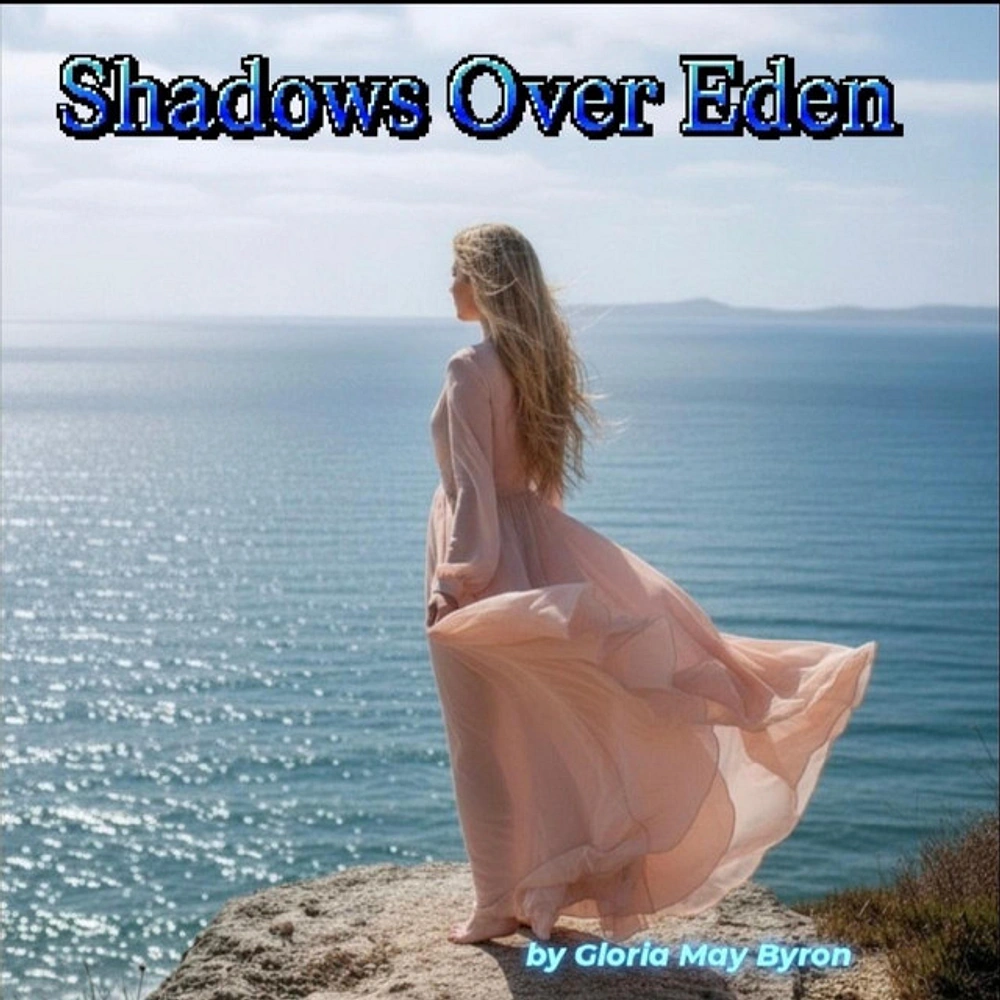
Who Will Hear Themselves in the Slow, Guitar-Led Song Gloria May Byron Wrote About Compassion
The first audience is easy to picture. Listeners who keep a late-evening playlist of contemporary pop and dream pop will recognise the approach straight away. It puts melody first, holds a steady tempo, and keeps the vocal no louder than the lyric needs. Byron keeps the guitar mellow and the pace slow. As a result, the song settles into a quiet room and then pulls focus once the central question arrives.
That restraint will feel familiar to fans of Mazzy Star. Fade Into You became a standard of slow, guitar-led dream pop by refusing to hurry. Byron brings a similar patience to her verses, letting each line land before the next one starts. Listeners raised on Sarah McLachlan, another songwriter from Canada’s Atlantic coast, will also hear a related instinct in the writing. In both cases, melody rather than volume carries a plain, earnest lyric about how people treat one another.

A Song of Conscience Recorded in English, Arabic and Punjabi for Listeners Far Beyond Newfoundland
The song also speaks to listeners who go looking for music with a conscience. Its lyric looks at fear, division and the slow loss of empathy, but it never lectures. Instead, the song asks its central question without answering it. That leaves room for each listener to bring an answer of their own. Byron puts the purpose behind her work in direct terms: “My mission is to teach hope and spread truth to the hearts of tens of millions worldwide, reaching even the most distant places where hope is essential.” In practice, that ambition shows up as simplicity. There is nothing to decode, and the song keeps returning to its question until it sticks.
Then there is a third audience, and it may matter most of all. Byron recorded the song at a studio in Newfoundland in three editions, in English, Arabic and Punjabi. Jyla’s Blog read that choice as part of the song’s purpose rather than a novelty. It also opens the record to listeners who rarely hear themselves addressed by Western pop. That includes Canada’s sizeable Arabic and Punjabi speaking communities. For a song about shared humanity, offering the same message in three languages turns the argument into practice.


Early Response From Critics Writing in English, French and German Shows How Far the Song Has Travelled
The single drew attention soon after its January release, and the early write-ups share plenty of common ground. For example, Good Music Radar described a soft, almost whispered opening verse. It also heard a slow, relaxed pace that suits the lyric. Cheers To The Vikings praised the way Byron lets the central question hang in the air. Underneath, it heard a light instrumental and a steady rhythm. Similarly, Musikepool noted that the arrangement gives the message space, and that the repeated question lingers after the last note.
Other outlets heard different things in the same song. Sinusoidal Music focused on the spiritual imagery in the lyric and the warmth of the vocal. Meanwhile, Senocular Media introduced Byron as a Newfoundland-based pop artist. It placed the single between contemporary pop, easy listening and indie pop. That spread of readings matches the mix at the core of the record. It also explains why the song has found a home with dream pop fans and mainstream pop listeners alike.
The coverage also crossed languages, which suits a song released in three of them. Iggy Magazine reviewed it in French. It framed the song as a work that asks for time in a culture built on the instant. In addition, NewIndieRadar covered it in German, saying the melodies get under the skin within the first minute.
The Community Forming Around a Song Built for Shared Listening
Taken together, those reactions sketch the community around Shadows Over Eden Where Did All the Mercy Go. It includes the playlist builders who want a calm, melodic pop song for the end of the night. It also takes in listeners who follow songs with something to say. Finally, it reaches the multilingual audience the three editions were made for. Canada is the natural centre of that circle. Still, the French and German coverage shows the song already travelling well beyond Newfoundland.
GetMusic.News’s curator team: “This is a song we would place late in a playlist, after the louder tracks have had their say. It rewards a listener who has already slowed down. The guitar never crowds the vocal, so the question at its centre reaches you whichever edition you choose.”
Where to Hear and Follow Gloria May Byron After Shadows Over Eden
For a first listen, give the opening verse of Shadows Over Eden Where Did All the Mercy Go your full attention. Afterwards, let its question stay with you for a while. Then go back for the Punjabi edition, which sits on her YouTube channel next to the English video.
Stream the single and follow Byron on Spotify, Apple Music, Amazon Music, Tidal, Deezer and SoundClick. For video, head to her YouTube channel. Day to day, she shares news on Instagram, Threads, TikTok, X, Facebook and Slaps. Her official website collects the rest.
























About The Author