Fourteen Country Pop Songs, Each with Its Own Arrangement, From Bare Band to String Quartet
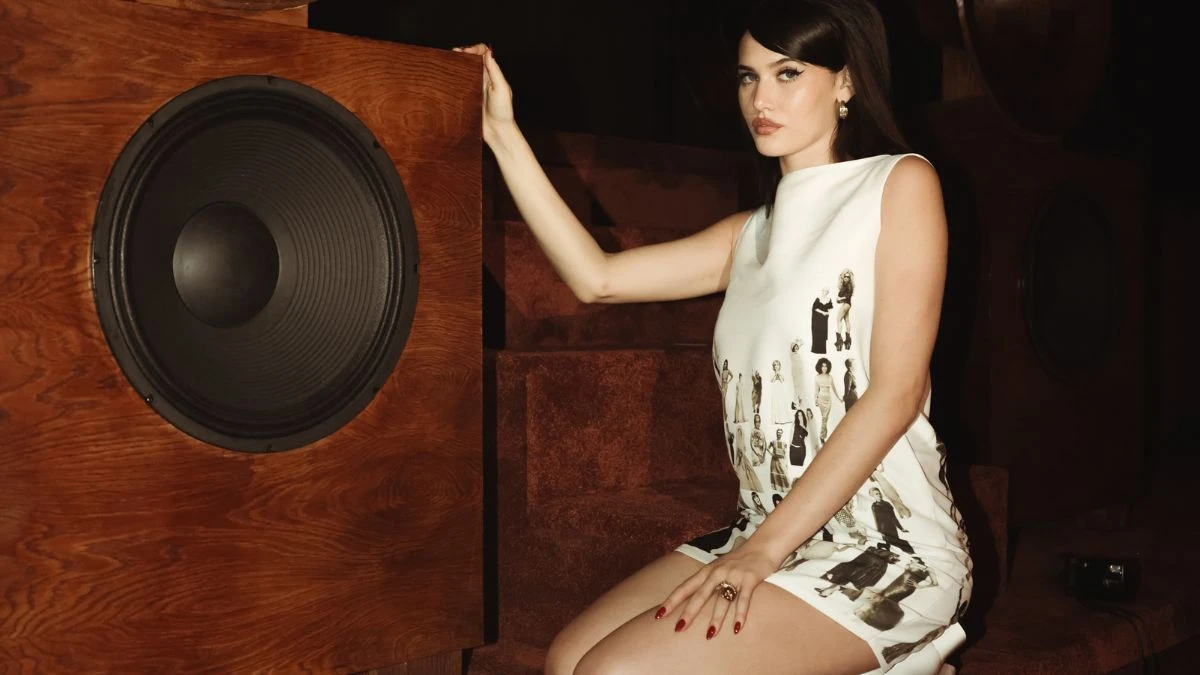
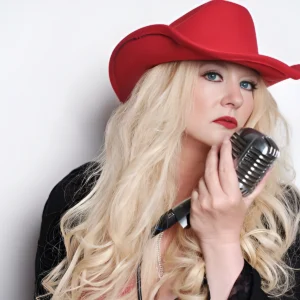
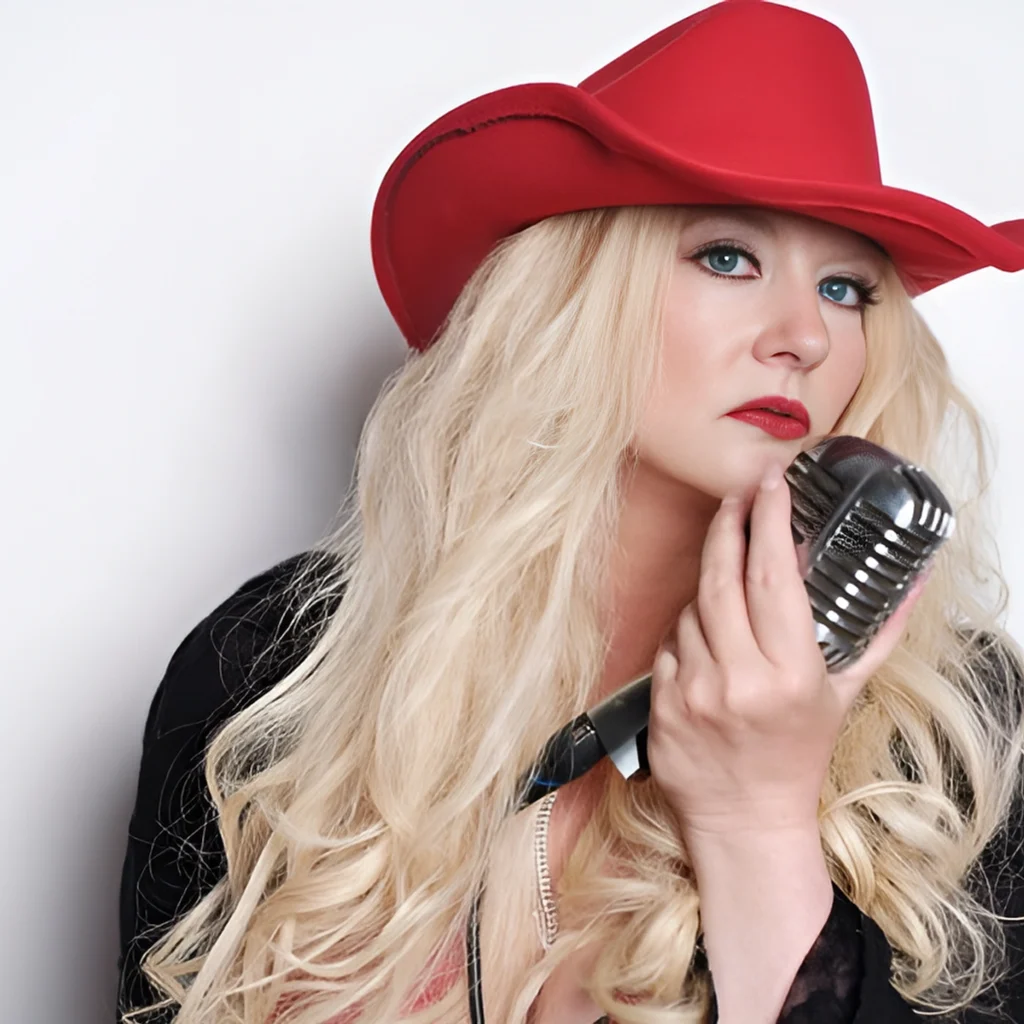
Play Letter to Myself from the top and the band around the singer keeps changing. Guitars lead one song, a fiddle and horns the next, and a string quartet arrives a few songs later. Aurora Ardent, an American singer, released the 14-song country pop album on 25 January 2026 on North Star Record Label. She sings every song, and the arrangements are where a first listen finds its surprises.
Aurora Ardent’s Letter to Myself sits in the playlist below, with the country and Americana records this desk keeps returning to. Her full coverage is collected on her artist profile. The album reached GetMusic.News through PopHits.Co Music Charts, which verifies independent artists and places their releases across its network of music news titles. Press play on the title track, then read on for a song-by-song first listen.

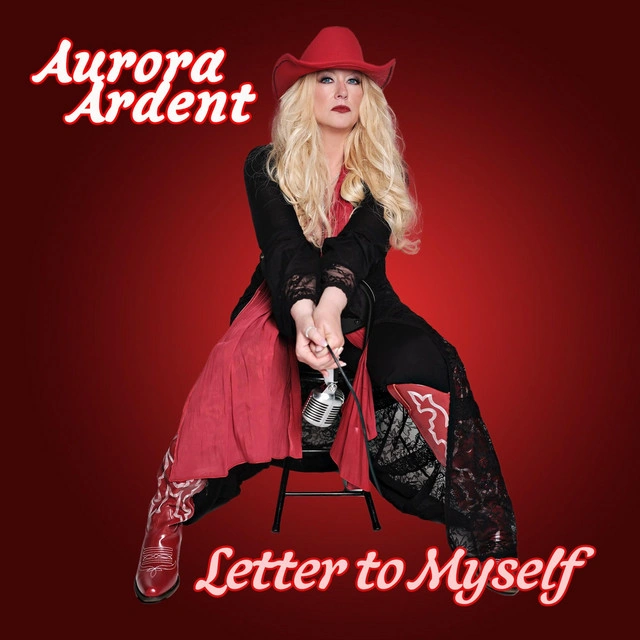
The Arrangements on Aurora Ardent’s Letter to Myself Change From Guitar Band to Horns and Strings
Start with My Heart Is Wild, the second song. It is the album’s band sound at its simplest. Charlie Faragher plays drums, Davey Faragher plays bass and Tommy Faragher plays piano, with two electric guitarists and an acoustic guitar filling the space. There are no strings and no horns, so the chorus rests on the rhythm section.
Then Time for Tennessee opens the arrangement right up. Kennedy Warne’s fiddle arrives, and so does a horn section: a trumpet and three saxophones, one of them played by Davey Faragher himself. It is the busiest arrangement among the songs it sits beside.
The strings come in later. Shine Your Light, the longest song at just over five minutes, adds a string quartet of two violins, a viola and a cello. Mississippi (Back Home to Me) uses the same quartet with an electric guitar, and CrossRoads puts the fiddle and the quartet side by side.

That pairing would once have been a choice between two worlds. In the 1950s and 60s, producers such as Owen Bradley built the Nashville sound for singers like Patsy Cline. It replaced fiddles and steel guitar with smooth strings and backing choruses. On CrossRoads, though, the old either/or is gone, and the fiddle and the strings play the same song.
The Bassist Who Arranged the Bigger Songs
Davey Faragher is the link between the band and the bigger sound. Besides playing bass, he arranged four of the songs that bring in horns or strings, among them CrossRoads and Mississippi (Back Home to Me).
Glen Campbell’s Wichita Lineman is the famous model for that kind of link. Its arranger, Al De Lory, took a bass lick that Carol Kaye improvised and copied it for the strings. On Letter to Myself, too, the bass and the bigger arrangements come from the same person.
At the other end, I Am The Storm keeps things lean: drums, bass, acoustic guitar and piano, with Tommy and Davey Faragher adding backing voices. It shows the songs standing on the core band alone.

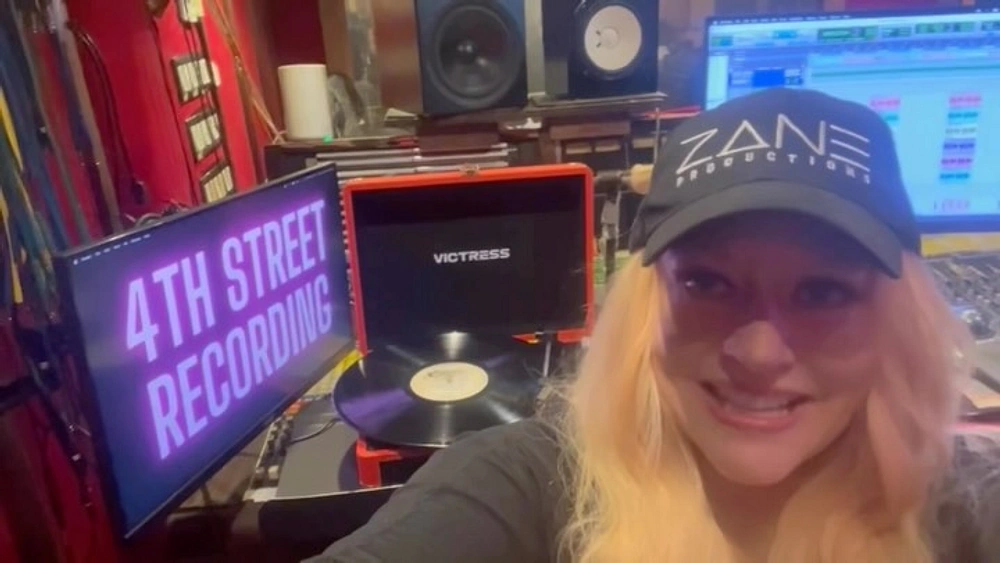
Tommy Faragher’s Production Holds Aurora Ardent’s Letter to Myself Together
Different line-ups on different songs could easily sound like a compilation. So what keeps Letter to Myself sounding like one record is the production chain. Tommy Faragher produced the album, mixed it and plays piano across it. The same pair of ears balanced the bare songs and the busy ones.
Several engineers recorded the parts, including J.J. Blair, Gabi Lima, Noah Page and Robby Van Oss, who also plays guitar. Howie Weinberg then mastered the whole record. That last step sets how loud and how bright the 14 songs sit next to each other.
Where to Hear Aurora Ardent’s Letter to Myself and the Two Versions of Doll On Your Shelf
The album is on the main streaming services, from Spotify and Apple Music to Deezer, and Aurora Ardent posts official videos on her YouTube channel. Headphones suit an album built like this, because so much of its variety sits in the arrangements.
The album also carries two versions of Doll On Your Shelf. The radio edit sits at track six, and the explicit version closes the record at track 14. Both run three minutes and 54 seconds.
So the first listen ends where it began, with one singer and a band that keeps changing shape around her. That is the pleasure of this American country pop record: every song brings a different set of players around the same singer.
From the GetMusic.News Curator Team: “Few independent albums give each song its own line-up the way this one does, from a horn section to a string quartet. The credits read like a map of the record, and they are worth having open the first time through.”
Stream Letter to Myself on Apple Music as well as in the player above. Follow Aurora Ardent across platforms: Spotify, Apple Music, Deezer, YouTube channel, Instagram, and TikTok. Every link is also in one place on her Linktree.








About The Author